

Paul Rose
Explorer, Presenter, Broadcaster
“Learning outside the classroom can have a profound impact in raising the confidence of those young people who do not perform well in the classroom environment. Taking learning out of the classroom context gives young people with different strengths and learning styles the chance to shine, improving relationships between peers and strengthening student-teacher relationships. These impacts have a lasting effect both back inside the classroom and in later life. Learning outside the classroom changes lives.”

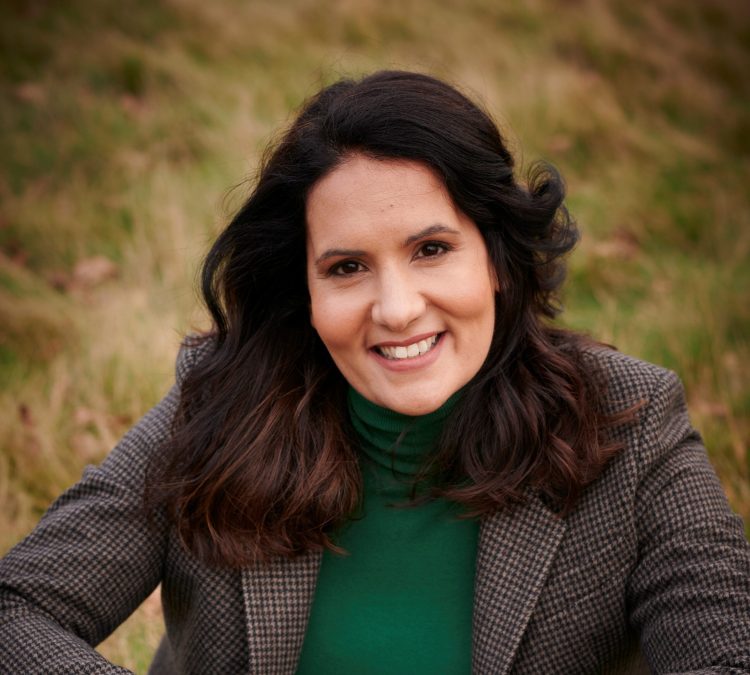
Radha Modgil
Health and Wellbeing Expert, Broadcaster and Author
“My work as a doctor has taught me that true wellbeing is about the whole person — mind, body, and the world they inhabit. When young people step outside the classroom and into real experiences, something powerful happens – they discover who they are, what they’re capable of, and that they belong in the wider world. That sense of connection — to nature, to others, to themselves — is one of the most important things we can give a child.”
Dr Sue Roffey
Psychologist, Academic, Author, Activist and Director of Growing Great Schools Worldwide
“ The role of education is to enable every child and young person to become the best of themselves. My work in school and student wellbeing has illustrated time and time again that when young people feel safe, included and engaged, they flourish. Learning beyond the classroom — in all its forms — is one of the most powerful ways to make that happen. It offers opportunities to build physical, social and emotional wellbeing, enhance curiosity and problem-solving skills, develop positive relationships and foster a sense of belonging.”

Professor Annegret Dahlmann-Noor
Professor of Paediatric Ophthalmology, Consultant in Children's Eye Health
“Spending time outdoors is vital for supporting children’s eye health and their wider physical and mental wellbeing, and as children spend a significant part of their day at school, learning outside the classroom supports this ambition.
Research into childhood myopia (short-sightedness) all over the world has shown that modern lifestyles, where children spend less time outdoors and are exposed less to natural daylight, are contributing to increasing rates of myopia. Time spent outdoors, including learning outside the classroom, is one of the most effective ways to address this, giving children regular exposure to daylight while encouraging movement, exploration and engagement with the world around them.”

